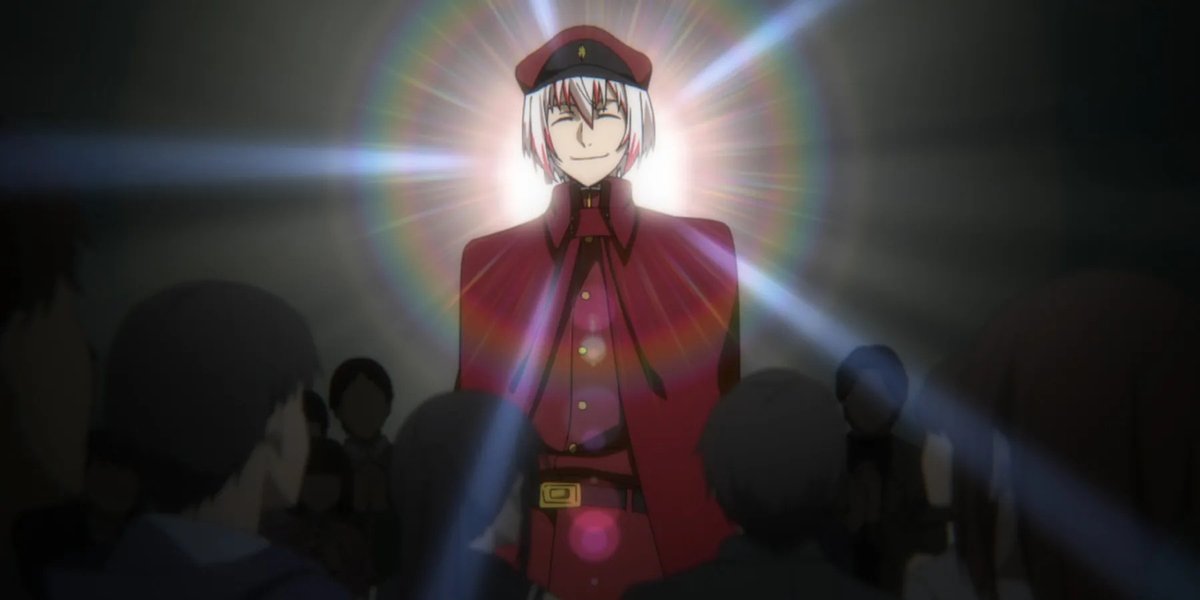
Many anime fans, particularly those who love a good crossover, have wondered about the possibility of Roronoa Zoro from One Piece appearing in Bungo Stray Dogs. The idea of the Straw Hat Pirates' master swordsman squaring off against the likes of Akutagawa or fighting alongside the Armed Detective Agency certainly sparks the imagination. However, it's crucial to clarify right from the start: Roronoa Zoro is not a canon character in Bungo Stray Dogs. He does not exist within the established narrative of the manga or anime series.
This isn't just a simple omission; it stems from the very core premise and creative philosophy that defines Bungo Stray Dogs. To understand why Zoro wouldn't—and couldn't—be part of this universe, we need to dive into what makes BSD so unique.
The Core Truth: Zoro Isn't Part of the Bungo Stray Dogs Universe
The fundamental reason Roronoa Zoro isn't canon in Bungo Stray Dogs lies in how its characters are conceived. Bungo Stray Dogs draws its entire cast, their personalities, abilities, and even their struggles, directly from real-world historical literary figures. Think of authors like Osamu Dazai, Ryūnosuke Akutagawa, Atsushi Nakajima, and Edgar Allan Poe. Their names, works, and often their life stories are meticulously woven into the fabric of the BSD universe.
Roronoa Zoro, while an incredibly iconic and beloved character, is a creation of Eiichiro Oda for the One Piece manga. He is a fictional character from a fictional world, not a historical author. This distinction is paramount and serves as the unshakeable foundation of Bungo Stray Dogs' character design. To truly appreciate this unique approach, you'll want to explore the fascinating literary figures who inspire Bungo Stray Dogs' iconic cast.
Why the Confusion? Bridging the Fandom Gap
If Zoro isn't canon, why does the question arise so frequently? The answer often lies in the vibrant world of fan creations. Anime fandoms thrive on "what if" scenarios, crossover art, and fanfiction that merge beloved characters from different universes. Zoro's immense popularity, coupled with his distinctive swordsmanship and unwavering loyalty, makes him a prime candidate for imaginative crossovers, especially into series that feature diverse combatants and unique powers.
Fans might also see thematic parallels, like the idea of a strong, morally guided individual fighting against darker forces, or simply enjoy imagining the clash of distinct artistic styles. This kind of creative play is a testament to the passion of the community, but it doesn't alter the official canon.
Unpacking Bungo Stray Dogs: Its Unique Character Foundation
Bungo Stray Dogs is a masterpiece of literary homage. Creator Kafka Asagiri meticulously selects authors and poets, then crafts characters that embody their essence. Atsushi Nakajima grapples with identity and a powerful, transformative ability, mirroring the struggles in his literary works. Osamu Dazai, a complex figure, seeks a reason to live beyond survival, reflecting the real Dazai's own life and philosophical explorations.
This isn't just about namesake; it’s about delving into the literary figures' biographies, their famous works, and even their personal struggles, like mental illness or societal exile. Each character becomes a living, breathing interpretation of their real-world counterpart. For an even deeper dive into these fascinating personalities, check out a deep dive into the main characters of Bungo Stray Dogs and their real-world inspirations.
Abilities, Factions, and Deeper Meanings in BSD
Beyond the character inspirations, Bungo Stray Dogs builds an intricate world with unique "Abilities"—superpowers that are also named after famous literary works by their respective authors. Atsushi's "Beast Beneath the Moonlight" directly references a short story by the real Atsushi Nakajima. This system isn't just for flashy battles; it's another layer of literary connection.
Understanding how these powers function and their symbolic ties to literature is key to grasping the series' depth. You can learn more about the unique 'Abilities' system in Bungo Stray Dogs and its literary connections.
The series further explores complex dynamics through its factions. The Armed Detective Agency champions justice and altruism, while the Port Mafia represents moral ambiguity and a contrasting philosophy. These groups, led by figures like Yukichi Fukuzawa and Ōgai Mori, are constantly at odds, creating a rich tapestry of conflict and ideological debate. Their struggles aren't just physical; they're philosophical battles over the nature of good, evil, and survival. To understand the heart of these clashes, make sure to read the core philosophies and conflicts between the Armed Detective Agency and Port Mafia.
Thematic Depth: More Than Just Action
While Bungo Stray Dogs delivers thrilling action sequences and intricate plots, its true strength lies in its profound thematic explorations. It delves into universal human experiences:
- Power and Morality: The constant tug-of-war between the Agency and the Mafia forces characters and viewers to question what truly constitutes "good" or "evil."
- Identity, Friendship, and Belonging: Characters like Atsushi grapple with their place in the world and their own inner demons, often finding solace and strength through newfound bonds.
- Talent: The 'Abilities' are not just gifts but burdens, exploring the isolation, insecurity, and entrapment that often come with extraordinary talent.
- Conflict: Both internal struggles (Dazai's nihilism, Akutagawa's desperate need for validation) and external battles drive the narrative, often leading to nuanced resolutions rather than clear victories.
These themes are woven throughout the narrative, giving the series a profound resonance that transcends typical anime action. For a full breakdown of these powerful ideas, dive into the rich tapestry of themes explored in Bungo Stray Dogs, from identity to morality.
Experiencing Bungo Stray Dogs: From Page to Screen
Bungo Stray Dogs first came to life as a manga by Kafka Asagiri and Sango Harukawa in 2012, later adapted into a highly popular anime series starting in 2016. Both formats beautifully capture the series' blend of literary depth, character development, and exciting action. The anime, produced by Studio Bones, is particularly lauded for its dynamic animation and character portrayals.
Whether you prefer reading the original source material or watching the animated adaptation, each offers a compelling way to experience this unique universe. If you're curious about how the different mediums compare, exploring the differences and similarities between the Bungo Stray Dogs anime and manga will give you valuable insights.
The Enduring Appeal and Community
Bungo Stray Dogs has carved out a significant and enduring niche in anime culture. Its unique premise, compelling characters, and deep thematic content have fostered a thriving global fandom. Fans engage in spirited discussions, create stunning fan art, craft elaborate cosplay, and develop intricate theories across various online platforms. This active community plays a huge role in the series' continued popularity and cultural impact.
The series isn't just entertainment; it's a source of inspiration, sparking dialogues about artistry, storytelling, and the enduring importance of literature in understanding the human condition. To truly appreciate the breadth of its influence, immerse yourself in the thriving Bungo Stray Dogs fandom and its lasting legacy in anime culture.
In essence, while the thought of Roronoa Zoro in Bungo Stray Dogs is a fun fan exercise, it misses the elegant, literary-driven foundation that makes BSD so special. The series' commitment to its unique premise is precisely what allows it to explore complex themes and characters with such depth, providing an experience that stands distinctly on its own.